China has had an interesting relationship with the environment since the onset of government-led environmental change that occurred during the Great Leap Forward. The environmental change that occurred during the great leap forward was not positive though, the policies enacted by Mao were heavily detrimental to the environment either through the removal of key species from the environments or the destruction of entire ecosystems through deforestation or the filling in of lakes. But China has come a far way from these sorry beginnings, currently, their government is heavily invested in becoming green energy and environmentally orientated leaders in the world. They have been successful in establishing themselves and their environmental policies through their coercive strategies of the central government, but what are the costs of this? Has this tactic of enacting widespread environmental change been effective or has it fallen short in the efforts?
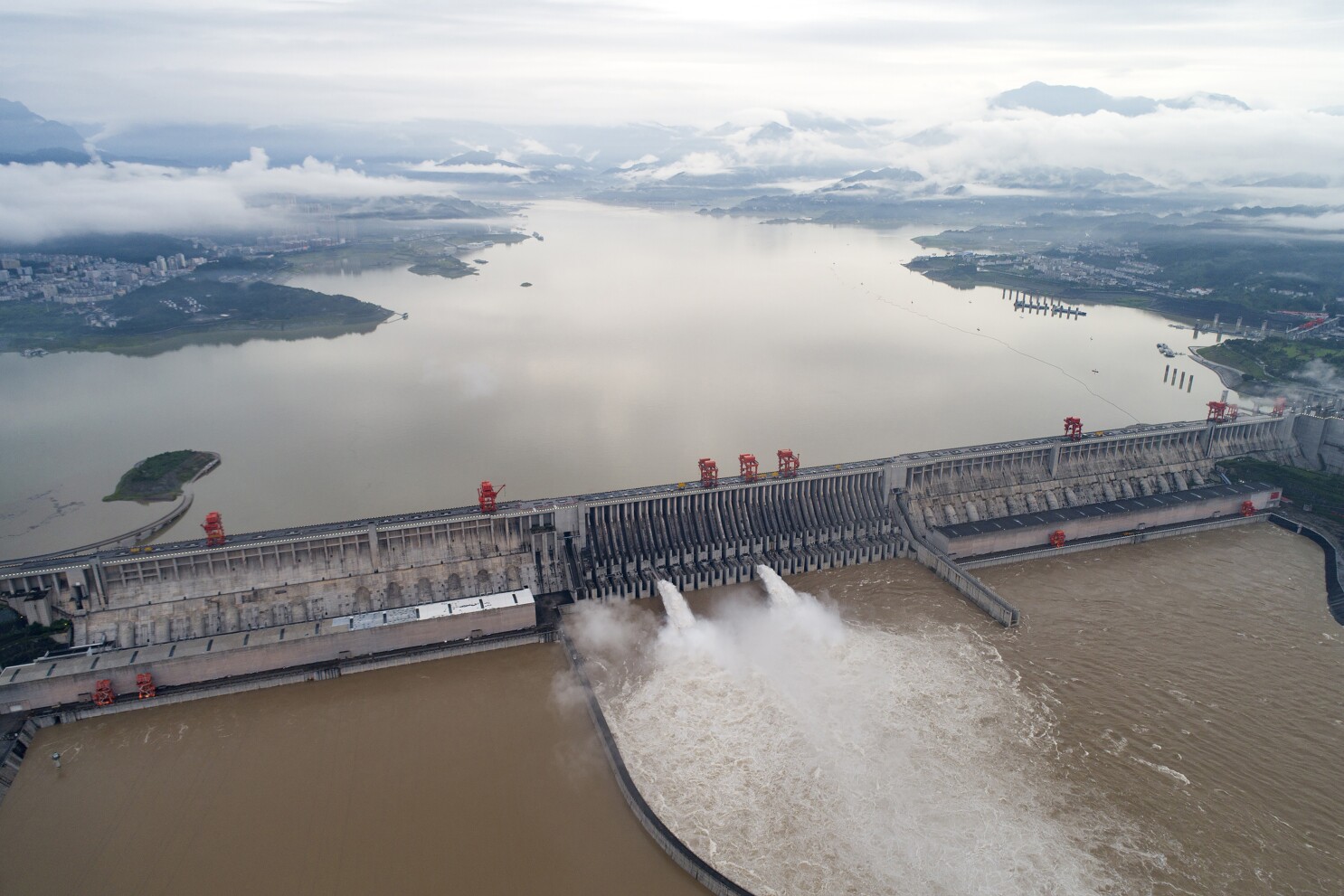
Well, it’s a little complicated. China has strong ambitions to be a leader in the global effort to reduce carbon emissions around the world, setting a goal to turn themselves, currently the largest carbon emitter in the world, to complete carbon neutrality by 2060, a tall order for any nation. (1) China is well on its way with a large chunk of its energy coming from clean sources, but its carbon emissions are still climbing with a project to have their peak in 2030 and their global ambitions clash with their climate claims as they are very ambitious and will undoubtedly cost lots of energy and thus emissions. (1) But this all said the outlook is hopeful because of one very large factor, the governing style of China. China’s authoritarian central government undoubtedly has its countless flaws and can often time restrict the freedom of its people, but when it comes to the environment and making considerable long terms changes it’s actually pretty good. (2) As these promises of China to reach carbon neutrality by 2060 are far different from a US initiative to reduce carbon emissions. While there can certainly be a major shake-up in leadership within the CCP and China’s government it is considerably more stable than the US political system that has the potential to radically shift its ideals in a matter of 4 years. This stability combined with the authoritarian governing style allows for China to pretty much enact environmental projects with no hindrance. But how effective are their enviromental efforts?

They can be quite effective actually. As seen in Waking the Green Tiger entire collapse ecosystem through major desiccation events and deforestation have been restored through the efforts of the government. (3) But there are flaws here, with the government’s ability to enact whichever environmental changes they wish they can be misguided when their efforts are detached from what the people actually want or need for their environment and community. This break in communication has had some negative effects, such as the assertion of Pika being a species that destroys grasslands and their planned removal by the government but scientists that work with the Pika state that they actually help improve the health of the grasslands. (4) This harks back to the battle of Man Vs Nature where Mao designated that Sparrows, mosquitos, rats, and flies should be removed for the production of crops, but this had major ecological effects which could happen in the case of the Pika. The government’s ecological improvement plans work best when they’re paired with activists, scientists, journalists, and NGOs overall as it gives them an outside perspective that better connects their plans with the people. (5) This is seen within the activists and journalists within Waking the Green Tiger, as their efforts made a considerable change to preserve the environment and the land that the Tiger Leaping Gorge dam would have swallowed. (3) But not everything is positive as the authoritarian ruling of China creates the potential for situations that force negative ecological change, or repressive policies disguised in environmental actions.
The negative side of the authoritarian rule is seen with the current state of the Tiger Leaping Gorge dam as even though the dam was stopped in 2007 it was recently approved in 2019, this is attributed to the removal or silencing of activists. (6) This is because of the governing style, it is in the name they are authoritarian they want the ultimate authority to rule and make decisions, and NGOs and activists question this authority, they are seen as a threat and thus were ultimately silenced. But as previously stated the government works best when compromising with those activists and NGOs, taking their words and thoughts into consideration. In addition to this silencing of NGO proponents for the environment, there is some question on some of the central government’s motives behind their ecological policies. It is speculated they use some of their ecological policy to control their population, such as the forced settling of classically nomadic communities or the formation of forcing living environments for people as they are pushed out of their homes because of dams or other projects. (7) I think the future of China’s environmental push is hopeful, they have a large potential to make a considerable global change and set an example, push the US to be better, but there is potential for the movement to be manipulated for alternative wants of the government.
1) Kuo. 1:32
2) Kuo. 2:45
3) Marcuse
4) Kuo 27:00
5) Kuo. 7:00
6) Standaert
7) Kuo 26:00
Bibliography:
Kuo, K. & Goldcorn, J. (Hosts). (2020, December 3). Is coercive environmentalism the answer? [Audio Podcast Episode]. In Sinica Podcast. Art19. https://supchina.com/podcast/is-coercive-environmentalism-the-answer/
Marcuse, Gary and Betsy Carson. Waking the Green Tiger. Face to Face Media, 2011.
Standaert, M. (2020, October 5). With activists SILENCED, China moves ahead on big Dam project. https://e360.yale.edu/features/with-activists-silenced-china-moves-ahead-on-big-dam-project.
